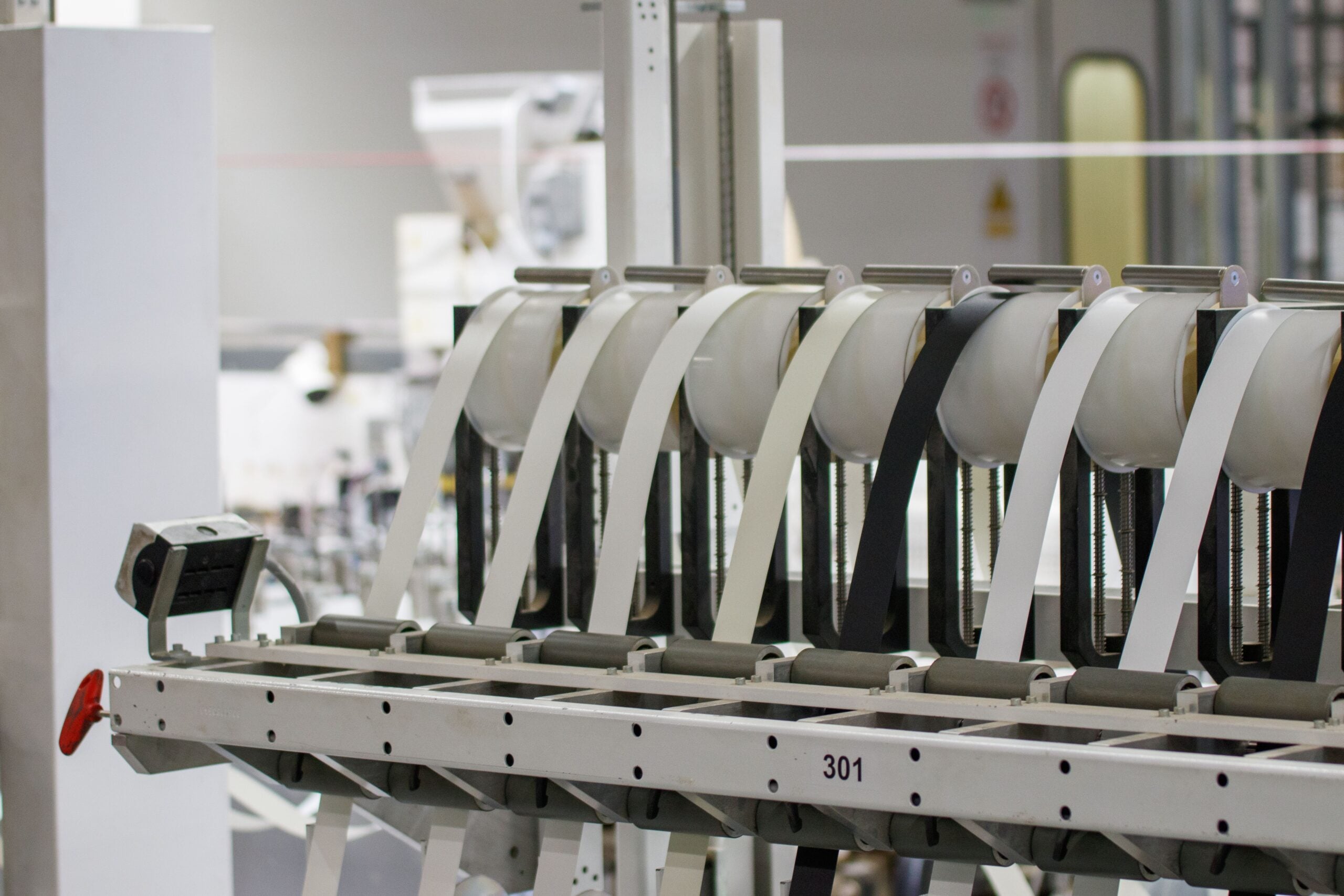
The part of inventing that surprises people most is not the patent. It is the factory. Inventors budget for filing fees and a prototype, then discover that turning a design into a repeatable product means tooling costs, minimum order quantities, material choices, and months of back and forth with a manufacturer before a single part comes off the line correctly. We asked Trevor Lambert, co-owner of Enhance Innovations, a product development firm founded in 2010 in Champlin, Minnesota, why manufacturing is the step first-time inventors consistently underprice.
Why do inventors underestimate manufacturing?
“Because the patent and the prototype feel like the finish line, and they are closer to the starting line,” Lambert says. “An inventor gets a provisional on file, holds a 3D print in their hand, and thinks the hard part is done. Then a manufacturer asks for a tolerance spec, a material callout, and an order quantity, and none of those questions were on the inventor’s radar.”
He argues the gap is structural, not a failure of intelligence. “Most inventors are subject-matter experts in the problem their product solves. They are not injection molding experts. There is no reason they should be. The trouble starts when nobody tells them how much sits between a working sample and a production run.”
What costs catch people off guard?
Tooling tops the list. A mold for an injection-molded part is a one-time build that can run from the low thousands into the tens of thousands of dollars depending on complexity, and it is usually the largest check an inventor writes before production. “People plan for the per-unit cost and forget the tool that makes the units possible,” Lambert says. “The tool is the thing that turns a clever design into a manufacturable one, and a design that ignored manufacturing will need expensive changes before a tool can even be cut.”
Minimum order quantities are the second surprise. Factories quote prices that only make sense at volume, which means an inventor testing demand may have to commit to thousands of units before a single retail buyer has said yes. The U.S. Small Business Administration publishes guidance for small manufacturers on production planning and supplier relationships at sba.gov, and Lambert points first-time founders there before they request a single quote.
Design decisions made early decide manufacturing cost later
Lambert’s central point is that manufacturing cost is mostly set during design, long before a factory is contacted. “Every draft angle, wall thickness, and part count you choose is a manufacturing decision whether you know it or not. A part designed without a manufacturer in mind almost always gets redesigned. The question is whether you pay for that rework before tooling or after.”
This is where he makes the case for an integrated approach. Enhance keeps design, engineering, marketing, and licensing under one roof rather than handing an inventor off to separate freelancers, and Lambert says manufacturing readiness is the reason. “When the person doing the CAD model is thinking about how the part will be made, you avoid the handoff where a finished render turns out to be impossible to mold affordably. That coordination is the whole value.”
Does an inventor need a finished physical product to start?
No, and Lambert is firm on this. “You do not need a tooled, production-ready unit to know whether a design is manufacturable. A good CAD model and an engineering review tell you most of what a manufacturer will tell you, earlier and cheaper. We work virtual-first for exactly this reason. Renderings and a clean CAD file let you have the manufacturing conversation before you spend on a tool.”
He adds a caution that fits the firm’s educational posture: an inventor should treat early factory conversations as fact-finding, not commitments. “Ask a manufacturer what they would change to make the part cheaper to build. Their answer is free design feedback. The ones who ask that question save themselves a tooling redo.”
What should a first-time inventor do differently?
Lambert offers three habits. First, get a manufacturing opinion during design, not after. Second, ask about tooling and minimum orders in the first factory call, because those two numbers reshape a whole budget. Third, protect the idea before showing it around: a routine non-disclosure agreement before the first technical conversation is standard practice, and the USPTO explains the basics of protecting an invention during development at uspto.gov.
“Manufacturing is not the scary part once you plan for it,” he says. “It is only scary when it shows up as a surprise after you thought you were finished. Put it at the front of the process and it becomes a series of answerable questions instead of a wall.”
Enhance Innovations works with inventors from Champlin, Minnesota, on the full path from concept toward a license deal or a market launch. This article is educational and is not financial or legal advice; inventors should do their own research before committing to manufacturing.